Bake Tiny Wonders Anytime with Shelf‑Stable DIY Dry Mixes
Stock your pantry with cleverly engineered dry blends that wait patiently for a splash of wet ingredients, then race into the oven as irresistible, bite‑size cookies, brownie bites, and mini scones. Learn foolproof ratios, smart packaging, storage safeguards, and flavor strategies, so spontaneous snacks, school lunches, late‑night cravings, and surprise guests transform into warm, shareable joy within minutes. Share your wins, questions, and tweaks, and subscribe to keep new small‑batch ideas coming.

Pantry Science: Building Long‑Lasting Dry Bases
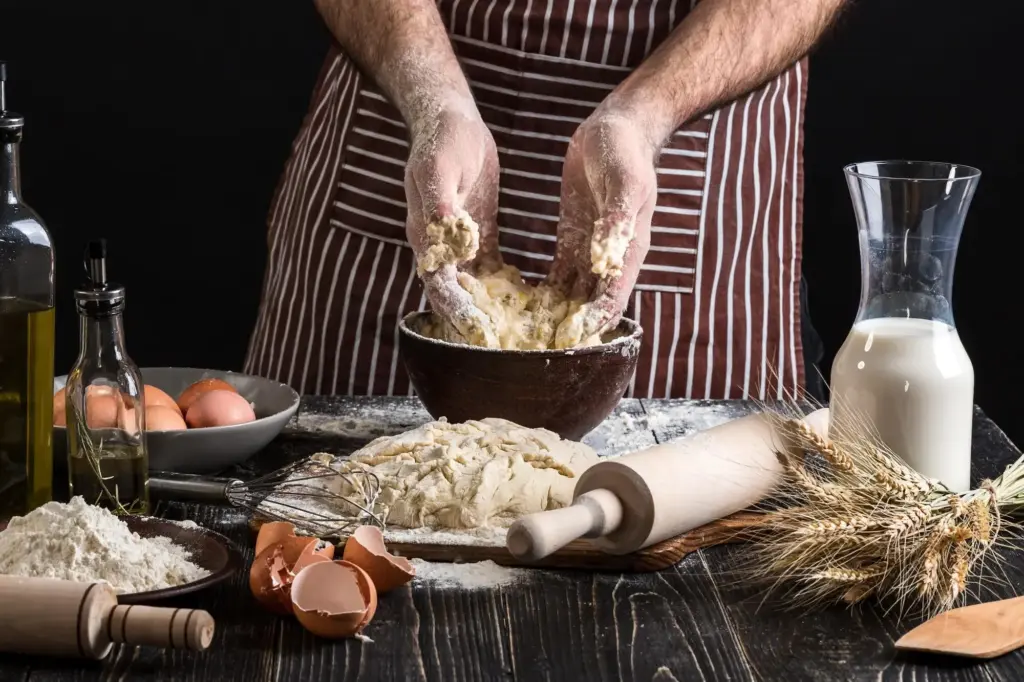
Shelf‑stable mixes succeed because every dry particle plays a role: flour structures, sugars sweeten while managing moisture, salts sharpen flavor, and leaveners lift on cue. Understanding water activity, caking tendencies, and fat stability keeps jars dependable for months. We’ll translate food‑science basics into friendly, home‑kitchen steps that prevent clumps, preserve aroma, and maintain reliable performance, so a last‑minute baking impulse never meets a disappointing, stale‑tasting blend.

Mix Architecture for Bite‑Size Cookies, Brownie Bites, and Mini Scones

A strong dry base behaves like scaffolding for many tiny treats. By thinking in ratios, you can convert one jar to crisp cookie bites, fudgy brownie nibbles, or tender mini scones with a few measured wet additions. We’ll outline practical baker’s‑percentage ideas, explain sugar choices that affect spread, and show how milk powder can mimic cream’s richness. The goal is flexibility: one organized pantry, many quick paths to warm, fragrant, sharable bites.

Universal Cookie‑Byte Base

Start with a balanced cookie blend: approximately 100 parts flour, 65 parts sugar split between granulated and powdered, 1.8 parts fine salt, and 1.5 to 2 parts baking powder or a soda‑acid pairing for spread. At bake time, add melted butter or neutral oil, one egg or flax gel, and a touch of vanilla powder. Scoop small portions, chill briefly if the kitchen is warm, then bake hot and fast. Expect crisp edges, soft middles, and easy customization.

Fudgy Brownie Bite Core

For mini brownies, build a cocoa‑forward base: 100 parts flour, 120 to 140 parts sugar, 60 to 80 parts alkalized cocoa, 2 parts salt, and double‑acting baking powder at 1.5 parts for gentle lift. Dry espresso powder intensifies chocolate while staying stable. At go‑time, stir in oil, water, and a splash of vinegar for a surprising gloss and chew. Portion into mini muffin tins, bake until edges set and centers still quiver for perfect fudginess.
Flavor Capsules: Add‑Ins That Age Gracefully

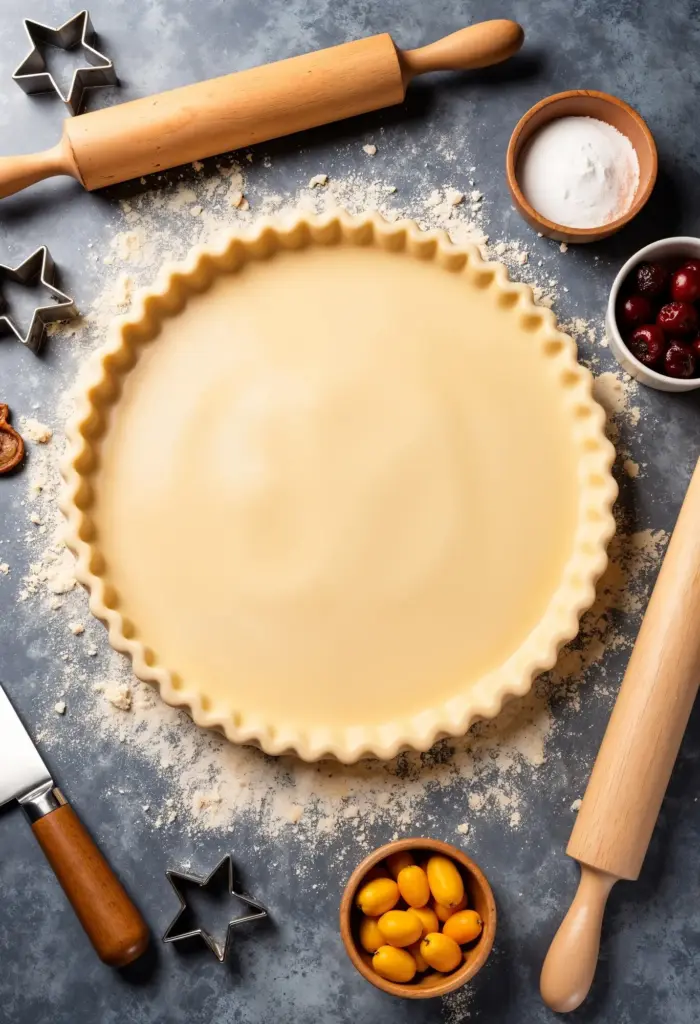
Choose accents that last without going stale, soggy, or bitter. Freeze‑dried fruits intensify brightness with almost no moisture burden. Spices shine longer when ground fresh then sealed, while vanilla powder and espresso powder offer dependable impact. Mini chocolate chips and crunchy rice crisps maintain texture if stored cool and dry. Build modular jars of these boosters, then stir them into the base at bake time for endlessly varied, consistently delicious bite‑size rewards.

Packaging, Storage, and Labeling That Actually Works
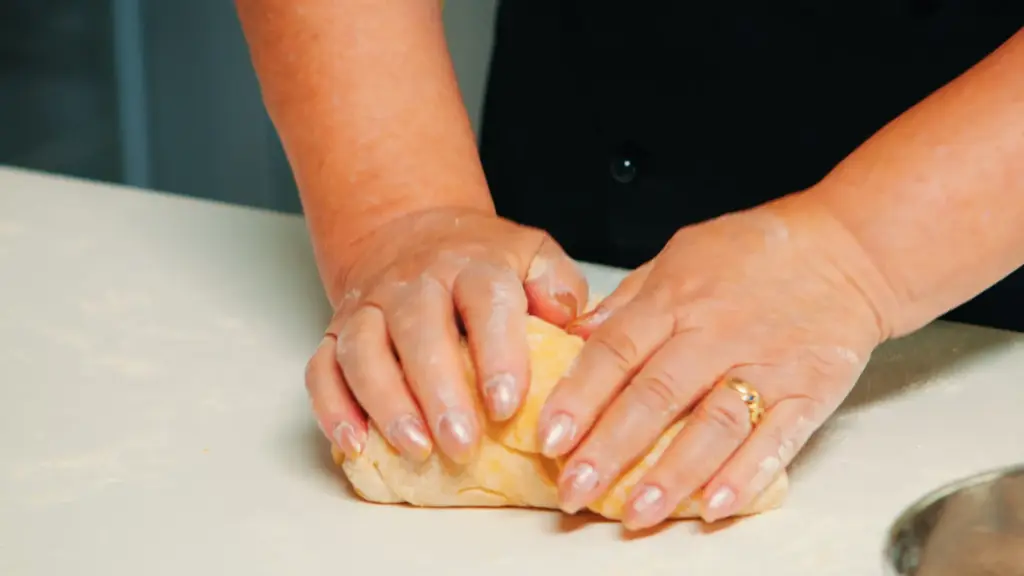
Protection from air, moisture, light, and heat preserves every jar. Choose glass with tight gaskets or mylar pouches with oxygen absorbers tailored to volume. Label clearly with net weight, wet additions, scoop size, bake temperature, and date mixed. Organize shelves by style—cookies, brownies, scones—so grab‑and‑go becomes instinctive. Post a quick checklist near the oven and invite family to help. Consistency nurtures reliability, and reliability turns spontaneous baking into a comforting household ritual.

Two‑Bowl, Ten‑Minute Method

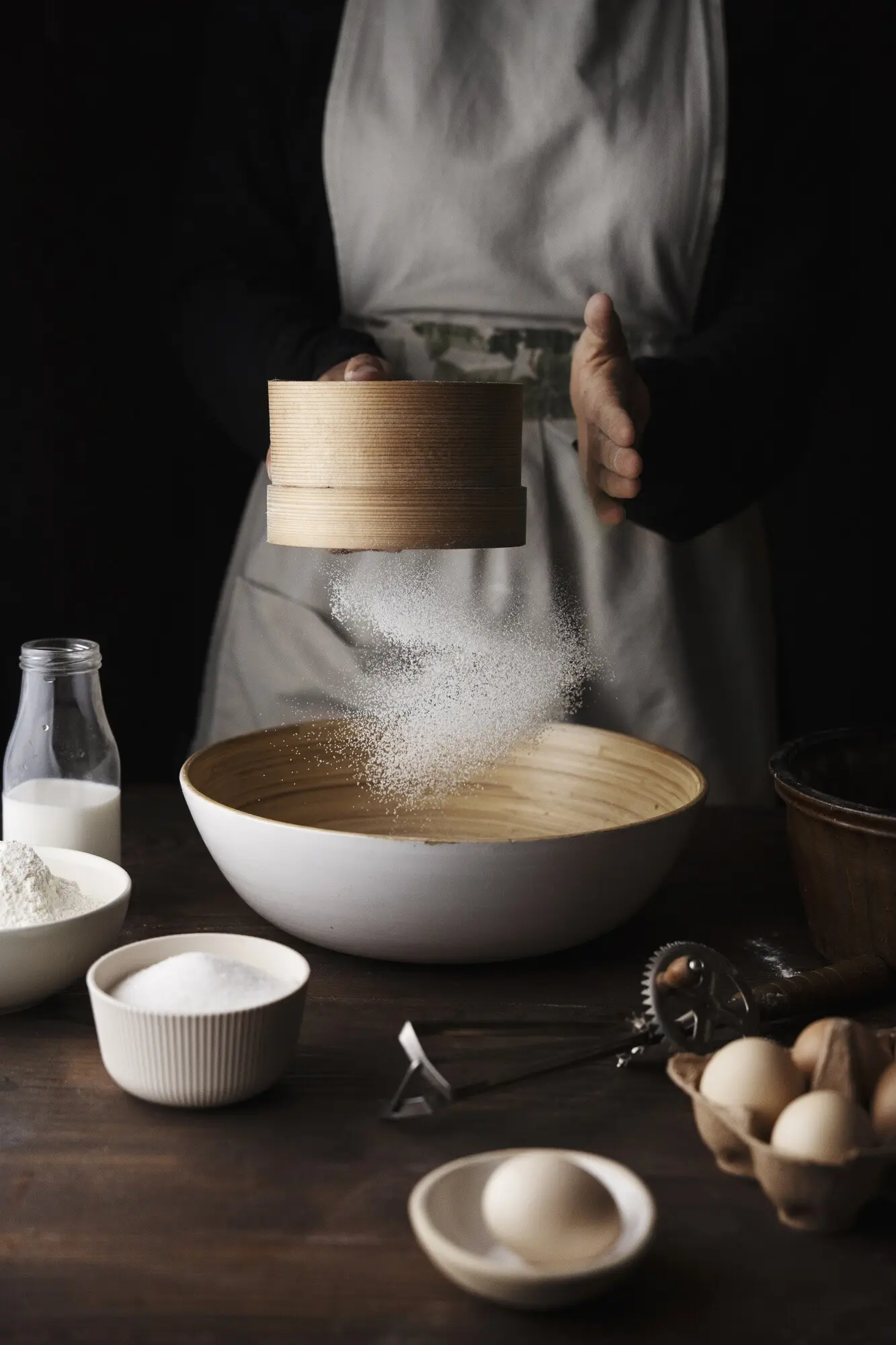
Whisk wet ingredients in one bowl—oil or melted butter, egg or alternative, and any liquid flavor boosters. In another, loosen the dry mix with a quick stir to redistribute leaveners. Combine with minimal strokes to avoid toughening. Scoop immediately, or rest five minutes if dough seems soft. Slide onto preheated trays for efficient oven spring. Clean as you go, and you’ll be tasting warm, tiny miracles before the playlist’s second song even starts.

Scoop Sizes, Molds, and Spacing for Even Bites

A #60 scoop yields snackable cookies; a #40 makes generous brownie bites in mini tins. Space cookies at least two diameters apart for steady airflow and consistent edges. Silicone mini‑molds turn scone batter into tidy domes with minimal handling. Keep a ruler and conversion note taped inside a cupboard door. Standardizing portion sizes locks in timing, texture, and yield, making it painless to double batches for gatherings without rewriting or relearning a thing.

Baking Curves and Doneness Signals

Ovens vary, so watch cues, not just minutes. Cookie edges should brown while centers stay slightly pale. Brownie bites set at the perimeter yet quiver gently in the middle. Scones rise visibly and sound hollow when tapped. Rotate trays once for stubborn hot spots. Record your oven’s realities, then adjust temperature or rack height next time. That small habit transforms guesswork into confidence, giving bite‑size rewards that impress guests and comfort weeknight hearts alike.
Watching for Rancidity and Off‑Notes
Rancidity whispers before it shouts: faint crayon aromas, waxy aftertastes, or muted flavors that once sparkled. Smell each jar before measuring, then taste a tiny baked sample periodically. Keep a notebook tracking storage conditions and outcomes. Adjust nut usage, choose darker storage, or shorten best‑by windows if problems appear. This mindful loop fosters consistency, protects family enjoyment, and turns small treats into reliable comforts you can serve confidently, even on hurried, ordinary afternoons.

DIY Accelerated Storage Tests

Simulate time by storing a test jar slightly warmer than usual, such as in a cupboard above the fridge, while its twin lives in your coolest pantry spot. Bake identical samples monthly and compare spread, lift, aroma, and crumb. Note which packaging and desiccant combinations excel. These simple experiments reveal weaknesses quickly and help you iterate faster. When your results stay consistent under pressure, everyday storage feels easy, and spontaneous baking delivers predictable, delicious rewards.

Allergen Controls and Cross‑Contact Prevention

If working with nuts, dairy powders, or gluten, designate specific tools and containers, then label them clearly. Mix allergen‑free batches first, clean surfaces meticulously, and seal jars immediately after filling. Consider color‑coded lids for clarity and separate storage bins. Add explicit allergen notes to labels when gifting mixes. These safeguards transform kindness into action, ensuring every quick tray of bites feels welcoming, transparent, and safe for friends, family, and future you to enjoy fully.
Xarilaxidavofexo
Privacy Overview

This website uses cookies so that we can provide you with the best user experience possible. Cookie information is stored in your browser and performs functions such as recognising you when you return to our website and helping our team to understand which sections of the website you find most interesting and useful.