
Featherlight Mini Cakes and Muffins, Every Time
Selecting and Concentrating the Base
Choose unsalted liquid from chickpeas for neutral flavor, then strain thoroughly to remove skins that puncture bubbles. If too thin, simmer gently to reduce, cool, and weigh. Target a spoon-coating viscosity, like light maple syrup, for dependable whipping and stable lift in petite batters.
Simple Bench Tests for Consistency
Tip a chilled spoon into the liquid and count steady drips; three to five per second signals promise. Shake in a jar; persistent foam after thirty seconds indicates readiness. Keep notes by brand, reduction time, and fridge age to reproduce successes across busy baking weeks.
Balancing Salt, Sugar, and Acid
A pinch of salt heightens flavor without sabotaging volume, while early granulated sugar strengthens the matrix and adds sheen. A splash of lemon juice or cream of tartar lowers pH, improves elasticity, and helps peaks resist heat, transport, and even impatient folding during rushes.
Clean Tools, Cold Start
Acids that Support Structure
Folding That Preserves Lift
Reliable Ratios for Minis
Oven Strategy and Pan Prep
Heat That Lifts, Not Deflates
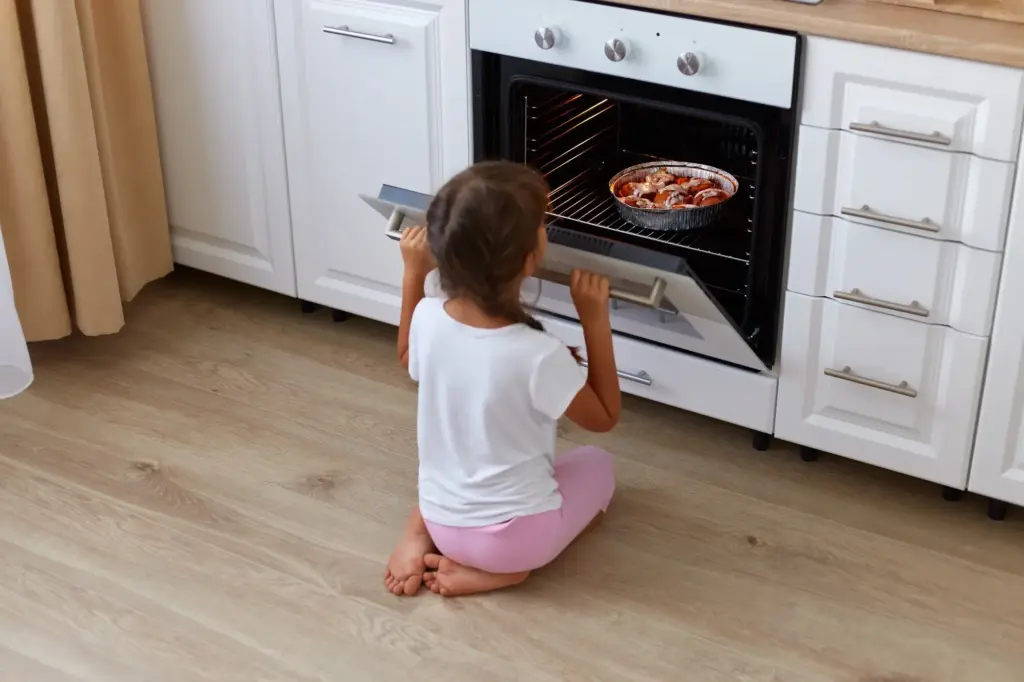
Start minis at 200°C for five minutes to establish walls, then drop to 175°C to finish gently. Convection may brown faster; reduce by ten degrees. Avoid opening the door early, which dumps steam, shocks structure, and encourages the dreaded cratered center.
Liners and Grease Sense
Use parchment liners for clean edges, or lightly grease and flour cups to support climbing. Over-greasing sabotages grip and volume. For silicone molds, place on a metal sheet for steadier heat. Tap filled trays once to settle gaps without sacrificing bubbles.
Doneness You Can Trust
Look for domes that resist a gentle fingertip and spring back slowly. A skewer may emerge moist with crumbs, not wet streaks. Listen for a faint crackle as steam escapes. Let pans rest briefly before unmolding to prevent tearing tender, buoyant walls.